No Hot Water? Here's What to Check First
Few household problems are as frustrating as turning on the tap and discovering there’s no hot water. Whether you’re getting ready for work, washing dishes, or taking a shower, a lack of hot water can quickly disrupt your day.
Before calling a professional, there are a few simple checks you can perform to identify the cause of the problem. Here’s what to look at first.
1. Check Your Power Supply
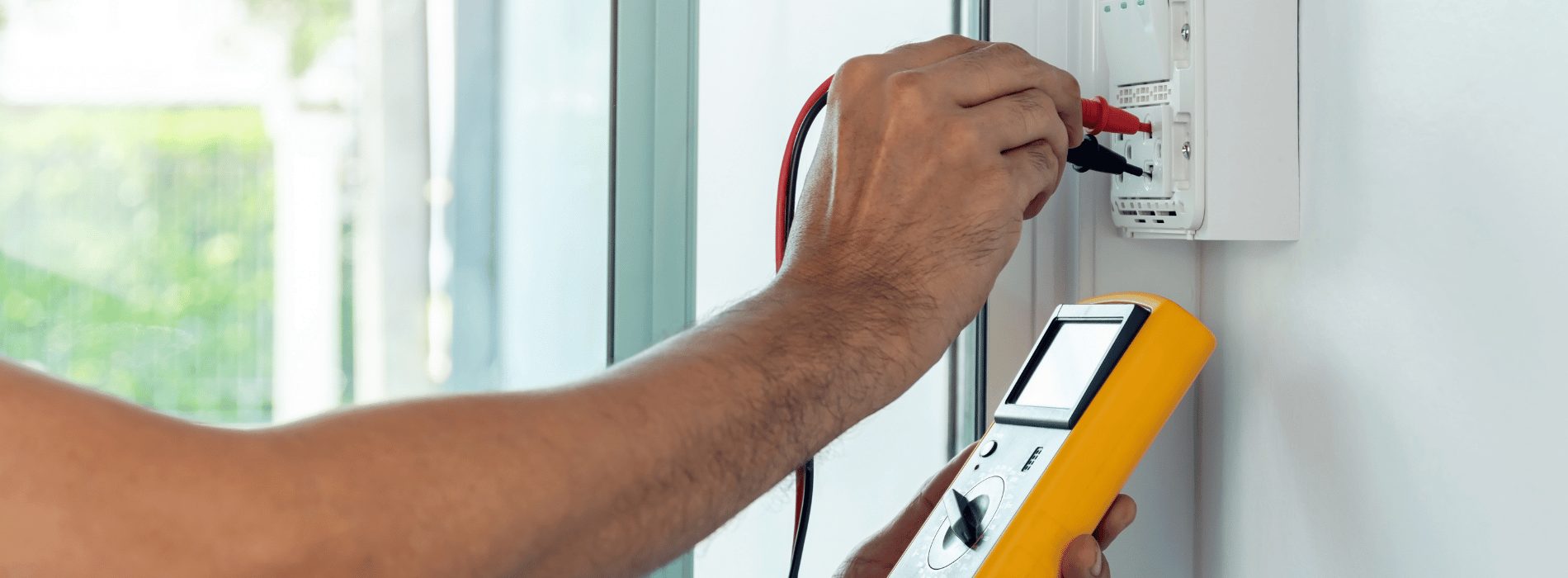
Many hot water systems rely on electricity to heat water. If there has been a power outage, a tripped circuit breaker, or an electrical fault, your system may not be receiving power.
Start by checking:
- Whether other electrical appliances are working
- Your switchboard for any tripped breakers
- Any visible signs of electrical issues around the hot water system
If a breaker has tripped repeatedly, avoid resetting it multiple times and contact a qualified electrician for assistance.
2. Inspect the Hot Water Switch
Some homes have a dedicated switch for the hot water cylinder. It’s possible for this switch to be accidentally turned off during cleaning, maintenance, or renovations.
Ensure the hot water switch is in the ON position and allow some time for the water to heat if it has been off.
3. Check the Hot Water Cylinder
Take a look at your hot water cylinder and inspect it for any visible issues such as:
- Water leaks
- Corrosion or rust
- Unusual noises
- Signs of overheating
A leaking cylinder may indicate a more serious problem that requires professional attention.
4. Consider the Age of the System
Like most household appliances, hot water systems have a limited lifespan. If your cylinder is more than 10-15 years old, components such as heating elements or thermostats may be nearing the end of their service life.
Older systems can become less efficient and may require repairs or replacement to restore reliable hot water.
5. Check Your Hot Water Usage
Sometimes the issue isn’t a fault at all. Large households can occasionally use all available hot water, especially during colder months.
If multiple showers, washing machines, and dishwashers have been running, your cylinder may simply need time to reheat the water.
6. Look for Signs of a Faulty Thermostat or Heating Element
A malfunctioning thermostat or heating element is one of the most common reasons for a loss of hot water. Symptoms may include:
- Water that never gets hot
- Water that is only lukewarm
- Inconsistent water temperatures
These components should only be inspected and replaced by a qualified electrician.
When to Call a Professional
If you’ve completed these checks and still have no hot water, it’s time to seek professional help. Electrical faults, damaged heating elements, and hot water cylinder issues can be complex and potentially dangerous to diagnose without the proper training and equipment.
At VIP Electrical Solutions, we provide reliable hot water fault finding, repairs, and electrical services to help get your hot water running again quickly and safely. Our experienced electricians can identify the problem and recommend the most cost-effective solution for your home.
Need Help Restoring Your Hot Water?
Don’t let a hot water problem disrupt your routine. Contact VIP Electrical Solutions today for prompt, professional assistance with hot water systems, electrical repairs, and maintenance services.
